
Radon gas is a silent, invisible threat that can accumulate inside homes and buildings without any obvious warning signs. Many homeowners are unaware of its presence until testing reveals elevated levels. Understanding radon, its risks, and the available mitigation methods is essential for creating a healthy indoor environment—especially in regions where radon is common.
What Is Radon Gas?
Radon is a naturally occurring radioactive gas produced by the breakdown of uranium in soil, rock, and water. It moves up through the ground and can enter buildings through cracks in foundations, gaps around pipes, floor drains, sump pits, and construction joints. Because radon is colorless, odorless, and tasteless, testing is the only way to know if it is present in your home.
According to health authorities, radon exposure is the second leading cause of lung cancer after smoking and the leading cause of lung cancer among non-smokers. Long-term exposure to high radon levels significantly increases health risks for you and your family.
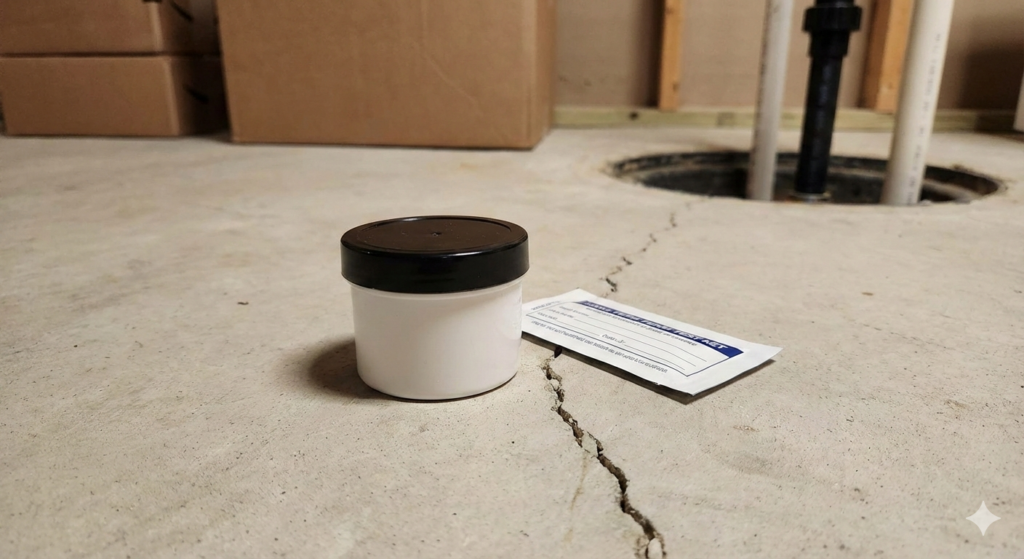
Why Indoor Radon Is a Serious Concern
Radon becomes dangerous when it is trapped indoors and accumulates to high concentrations. Homes with basements, crawl spaces, or slab-on-grade foundations are particularly vulnerable, but radon can affect any building, regardless of age or construction type.
Key risk factors include:
- Poor ventilation
- Cracks in foundation walls or floors
- Unsealed sump pumps
- High radon levels in surrounding soil
Because radon levels can vary seasonally and even daily, a one-time assumption is never enough—testing and mitigation are critical.
Testing for Radon: The First Step
Before mitigation begins, radon testing is required to determine indoor concentration levels. Testing options include:
- Short-term tests (2–7 days): Quick results, useful for initial screening
- Long-term tests (90+ days): More accurate annual average levels
If test results show radon levels at or above recommended guidelines, mitigation should be installed as soon as possible.
What Is Radon Mitigation?
Radon mitigation refers to a set of proven techniques designed to reduce radon concentrations inside a building. These systems prevent radon from entering the home or safely vent it outside before it accumulates indoors.
A professionally installed radon mitigation system can reduce radon levels by up to 99%, making it one of the most effective indoor air quality solutions available.
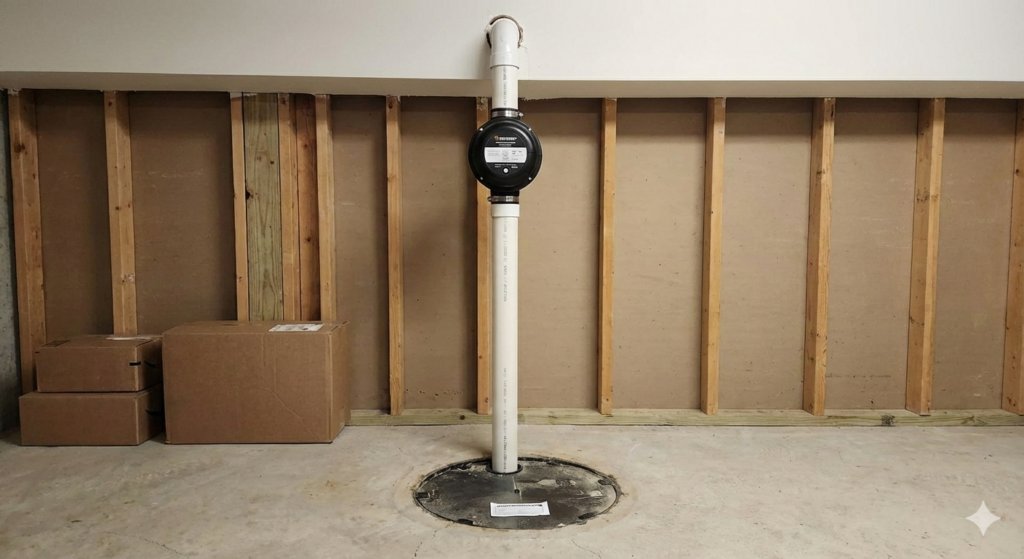
Common Radon Mitigation Methods
1. Sub-Slab Depressurization (SSD)
This is the most widely used and effective radon mitigation method. A vent pipe is installed through the foundation slab into the soil beneath the home. A continuously running fan draws radon gas from below the house and releases it safely above the roofline.
Best for: Homes with basements or slab foundations
2. Crawl Space Mitigation (Sub-Membrane Depressurization)
For homes with crawl spaces, a heavy-duty plastic membrane is placed over the soil. A vent pipe and fan draw radon from beneath the membrane and vent it outdoors.
Best for: Homes with exposed soil crawl spaces
3. Sealing Cracks and Openings
While sealing alone is not enough to solve radon problems, it is an important supporting step. Sealing cracks, joints, and openings improves system efficiency and reduces radon entry points.
4. Heat Recovery Ventilation (HRV)
In some cases, increasing indoor air exchange using an HRV system can help reduce radon levels while improving overall air quality and energy efficiency.
Benefits of Radon Mitigation
Installing a radon mitigation system offers multiple long-term benefits:
- Reduced lung cancer risk
- Improved indoor air quality
- Increased home safety and peace of mind
- Higher property value and easier resale
- Continuous protection with low operating costs
Modern radon mitigation systems are quiet, energy-efficient, and require minimal maintenance.

How Long Does Installation Take?
Most radon mitigation systems can be installed in one day by certified professionals. After installation, follow-up testing is performed to confirm that radon levels have been successfully reduced.
Radon Mitigation for New vs. Existing Homes
- Existing homes: Mitigation systems can be retrofitted with minimal disruption.
- New construction: Radon-resistant features can be installed during construction at a lower cost, providing long-term protection from the start.
Planning ahead is always more cost-effective, but mitigation is highly effective at any stage.
Final Thoughts: Take Action Against Radon
Radon gas may be invisible, but its health risks are very real. Testing your home and installing a radon mitigation system when needed is one of the most important steps you can take to protect your family’s health.
If you haven’t tested your home yet, now is the time. Radon mitigation is a proven, reliable, and affordable solution that delivers long-term peace of mind and a safer indoor environment.